Family stories can disappear in a single generation, especially in immigrant families where survival comes first and reflection comes later. On The Human Adventure, Sara Fashandi shares how growing up in Tehran, Iran shaped her family and how her brother Mohsen’s vivid memory became an anchor for their shared history. She describes a childhood defined by scarcity: long summers with chores, little entertainment, and no easy access to books. Even so, she finds early proof of creativity and storytelling, like reading bits of newspaper wrapped around vegetables and inventing endings when the story is missing. That instinct becomes a powerful throughline in an Iranian immigrant story that later unfolds across continents.
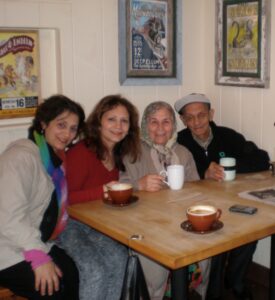
Photos Courtesy of Sara Fashandi
Sara’s account turns heartbreaking when she explains a family tragedy that left a mark for decades. A baby brother suffers a fatal burn accident involving a household hot water device, and limited medical care for a less privileged family compounds the loss. Mohsen, only eight or nine, is blamed by their father for not watching the baby, and Sara recalls how he still sobs when he finally tells the story. The episode shows how grief, guilt, and responsibility can attach to a child and quietly shape adulthood. It also frames why preserving oral history matters: without recording these memories, the emotional truth of a family’s past can get buried under time, shame, and silence.
Resilience in this conversation is not a slogan; it is a series of small, inventive acts. Sara describes Mohsen as an “inventor” who learned early that he had to create solutions, not wait for help. He devises ways to make money, scavenges usable materials, and even tries building an incubator to hatch chicks so the family can have food, only to end up with a beloved pet. Later, Sara connects those childhood survival skills to immigrant life in the United States. Mohsen arrives with about $300, spends much of it on travel, leaves an ESL program early to save money, and heads to college with almost nothing. On the way to find work in Washington, D.C., he loses an address, sleeps in a park, and eats half-finished food from trash cans, then keeps moving forward until he finds the note hidden in his suitcase. 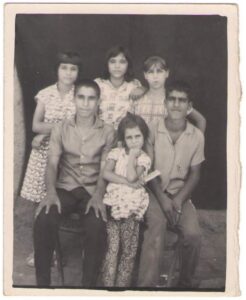
A major takeaway is how storytelling can transform relationships in the present, not just preserve the past. Sara explains that a family reunion “childhood competition” reveals the depth of Mohsen’s experiences and prompts her to take memoir classes so she can write them well. That decision leads to self-publishing books with serious investment in editing, design, and craft, including Message in the Matchbox and From Tehran to Tomorrow. Beyond the memoir writing process, Sara emphasizes themes that resonate with search terms like immigration, Iranian-American identity, intergenerational opportunity, and the American dream seen through an immigrant’s eyes. Her hope is simple and human: readers understand what immigrants leave behind, why they work so hard for future generations, and how, beneath nationality and politics, families everywhere want safety, dignity, and a better tomorrow.
To learn more about Sara you can follow her on Instagram @talesfromiran. To get copies of her books Message in a Matchbox and From Tehran to Tomorrow check out just search for the titles on Amazon or click here.
To learn more about me and see clips from past, present, and future shows give me a follow on Instagram @humanadventurepod.