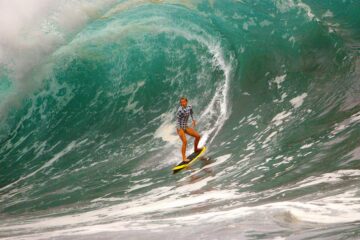
Logan Vaughan grew up in West Texas where lake life wasn’t a weekend hobby, it was the center of the family’s rhythm. With parents who skied and a household that lived around boats, she found wakeboarding early and treated competition like a personal mission. That origin story matters because it explains her unusual confidence as a young athlete and why the sport became part of her identity. For listeners searching for wakeboarding inspiration, the real takeaway is that elite performance often starts with simple repetition: time on the water, small local contests, and a family culture that normalizes hard things.
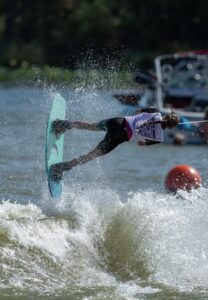
Photos Courtesy of Logan Vaughan
The conversation also clears up a common question in modern water sports: wakeboarding vs wake surfing vs wake skating. Wakeboarding is faster with feet strapped into bindings and bigger consequences when you catch an edge. Wake surfing is slower, rope to get up and then you ride the boat’s wave, making it more accessible for casual lake days. Wake skating is the wild card, a skateboard-like board with grip tape where your feet are not attached, so tricks feel like skateboarding without wheels and falls can get spicy in a different way. If you want to rank them by intensity, Logan is direct: wakeboarding hurts the most.
Her leap to Orlando, Florida at 18 reveals what listeners rarely see behind championships: training twice a day, paying bills, and suddenly being surrounded by athletes who are just as talented. Instead of collapsing under that comparison, she describes a mindset switch, the moment she stops chasing distractions and decides to outwork the gap. She also shares her routine for competition nerves: stretching, praying, breathing, and even talking or singing to herself mid-run. For anyone researching sports psychology, performance anxiety, and confidence, her line lands hard: the only thing she can control is her attitude. 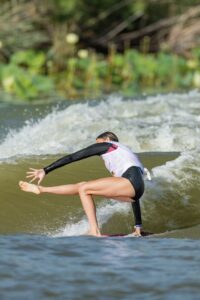
Then comes the part many high achievers recognize: athlete burnout. Logan explains the heartbreak of being mentally done while still physically capable, missing tricks she had landed for years, and feeling fear at the next progression level. She steps away from wakeboarding competition, leans into wake surfing for joy, and eventually realizes the economics of pro water sports are brutal. Social media becomes the new arena, complete with a viral moment that brings followers and income but also weird rumors and loud comments. The deeper lesson is about sustainability: protecting your love for the sport, redefining success, and choosing a life that leaves room for faith, family, and pressure-free days on the water.